

Ghana is set to introduce Robotics, Coding, Artificial Intelligence (AI) and Electronics into the basic school curriculum, starting from Kindergarten (KG) to Primary Six.
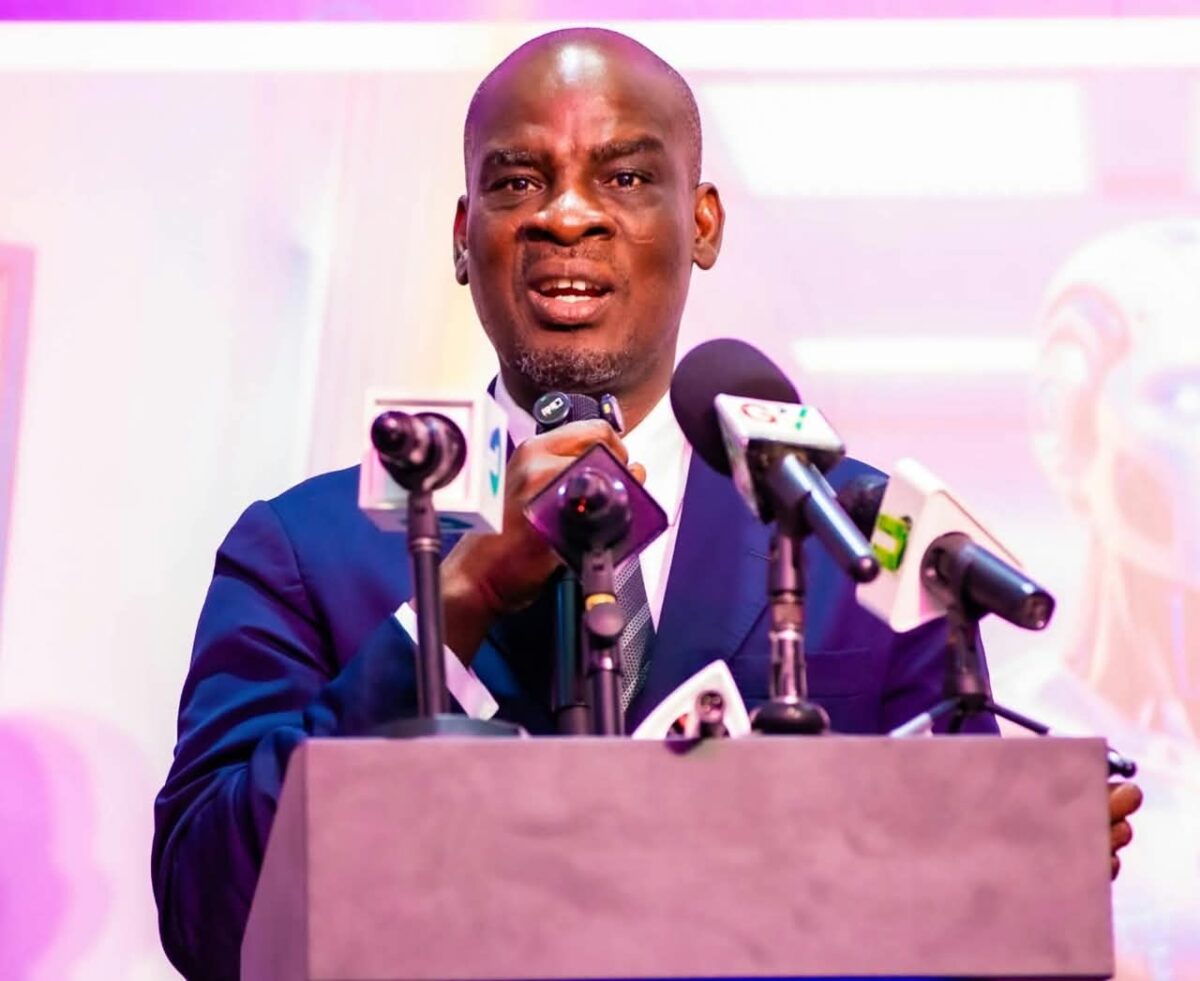
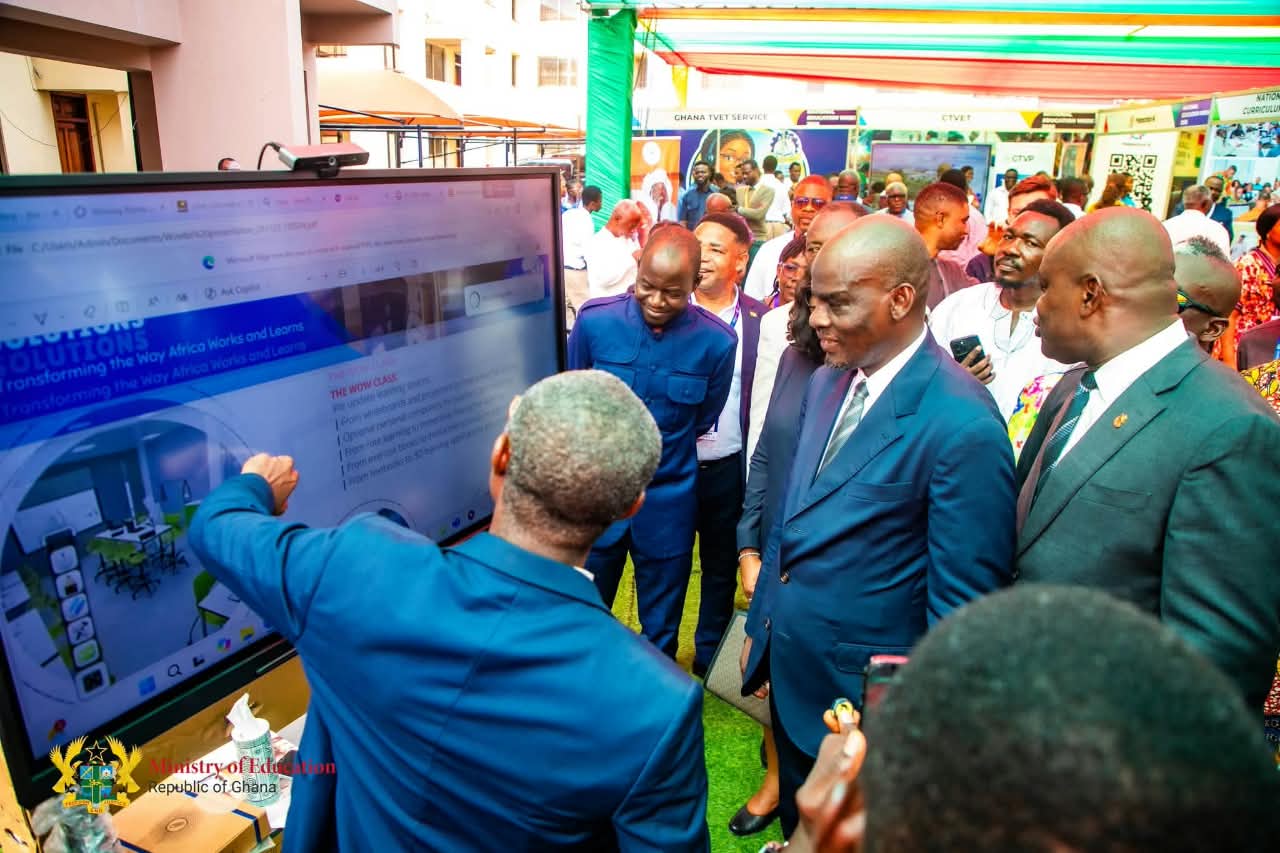
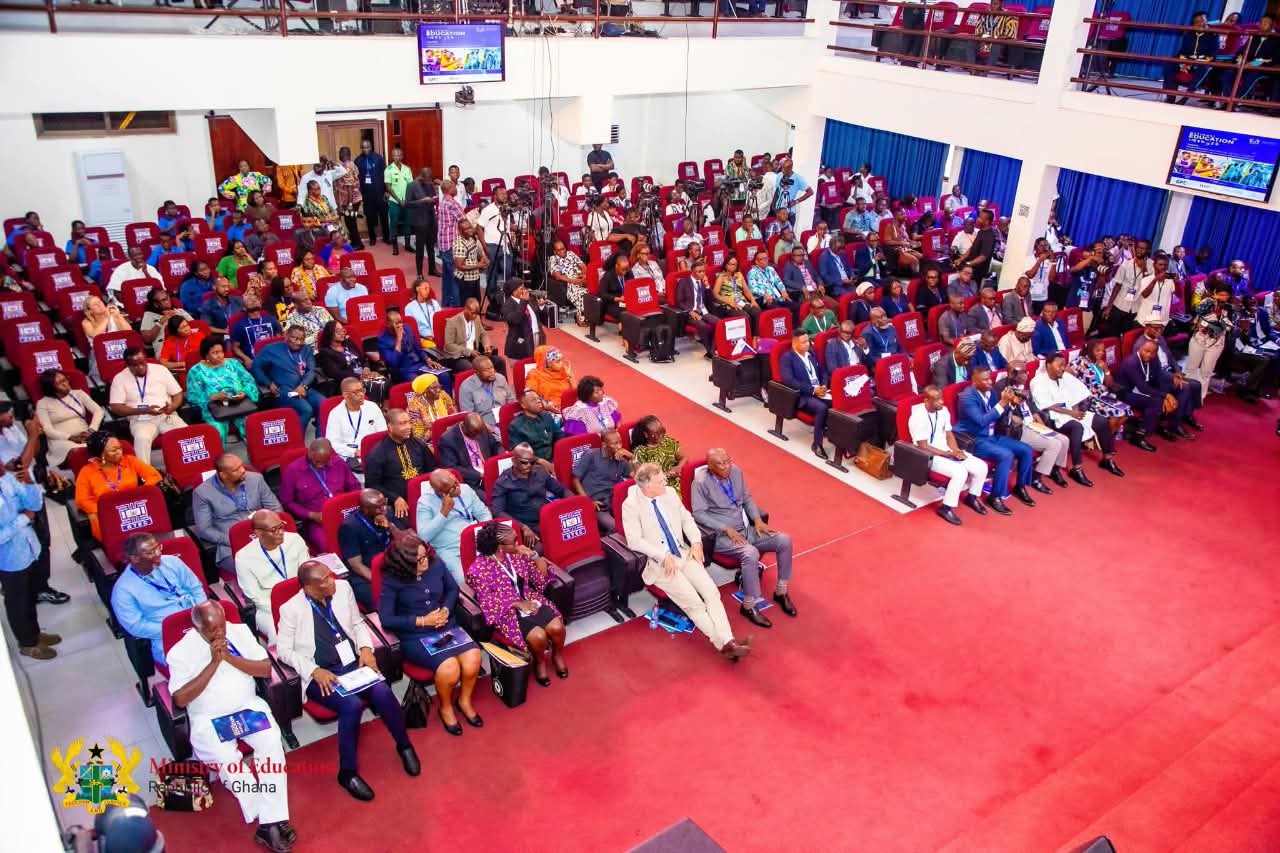
The Minister for Education, Hon. Haruna Iddrisu, announced the proposed initiative during the opening of the 2026 National Education Week and Evidence Summit in Accra. He explained that the planned curriculum revision would introduce pupils to emerging technologies at an early stage of their education, helping them develop relevant digital and technological skills.
According to the Minister, the initiative forms part of efforts to modernise Ghana’s education system and ensure that learners acquire the knowledge and competencies required to participate effectively in an increasingly digital global economy.
Through the proposed curriculum, pupils will have the opportunity to develop foundational skills in coding, robotics, electronics and artificial intelligence. Early exposure to these areas is expected to encourage creativity, innovation, logical reasoning and problem-solving skills among learners.
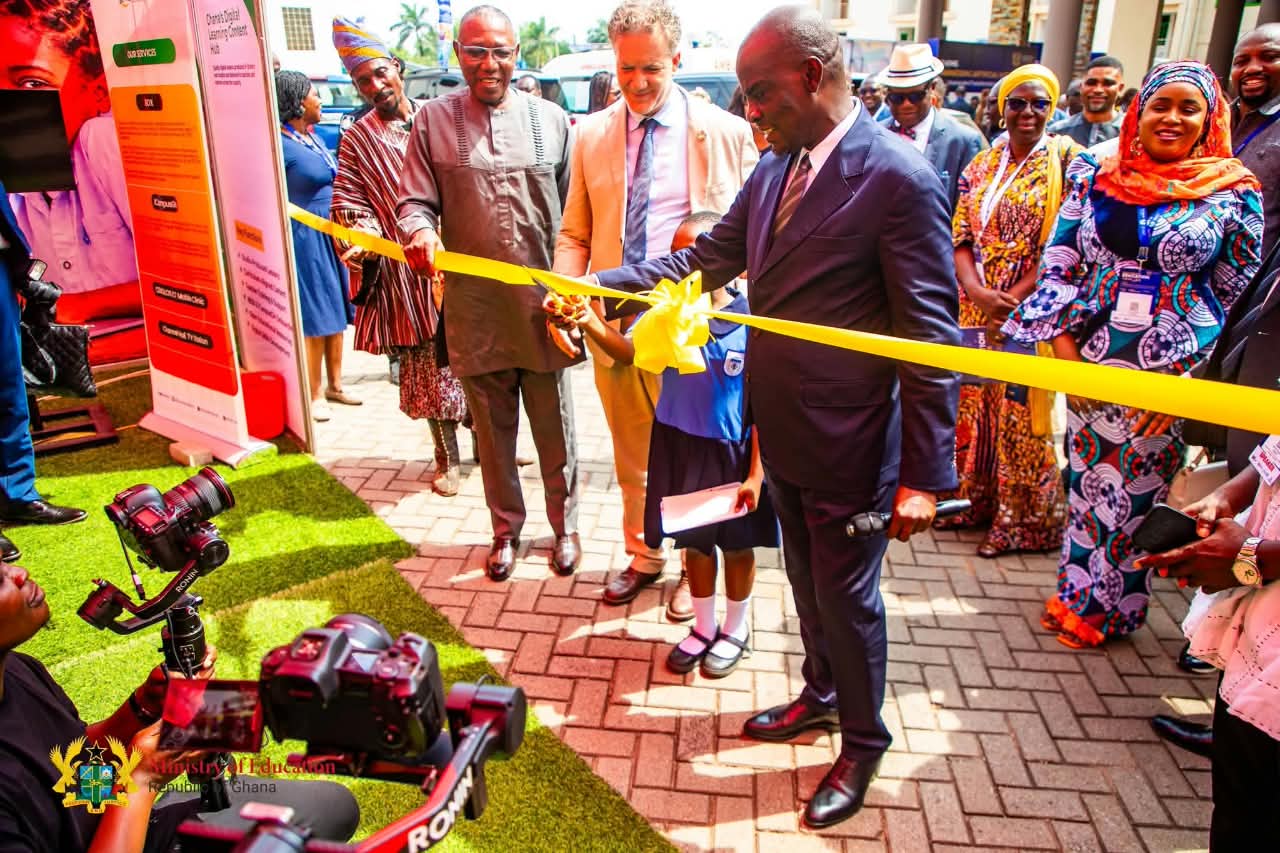
However, Hon. Iddrisu clarified that the proposed curriculum revision is yet to receive Cabinet approval before it can be implemented. This means that the initiative is still at the approval stage, and further steps will be required before its introduction into basic schools across the country.
The Education Minister also highlighted the importance of using Artificial Intelligence responsibly in the education sector. He stressed that AI should serve as a tool to improve teaching and learning outcomes and support teachers in carrying out their professional responsibilities rather than replace them.
He further cautioned against excessive dependence on artificial intelligence, noting that learners must continue to develop essential human abilities such as critical thinking, creativity, independent reasoning and problem-solving.
Keep following GH Educate for the latest news and updates


