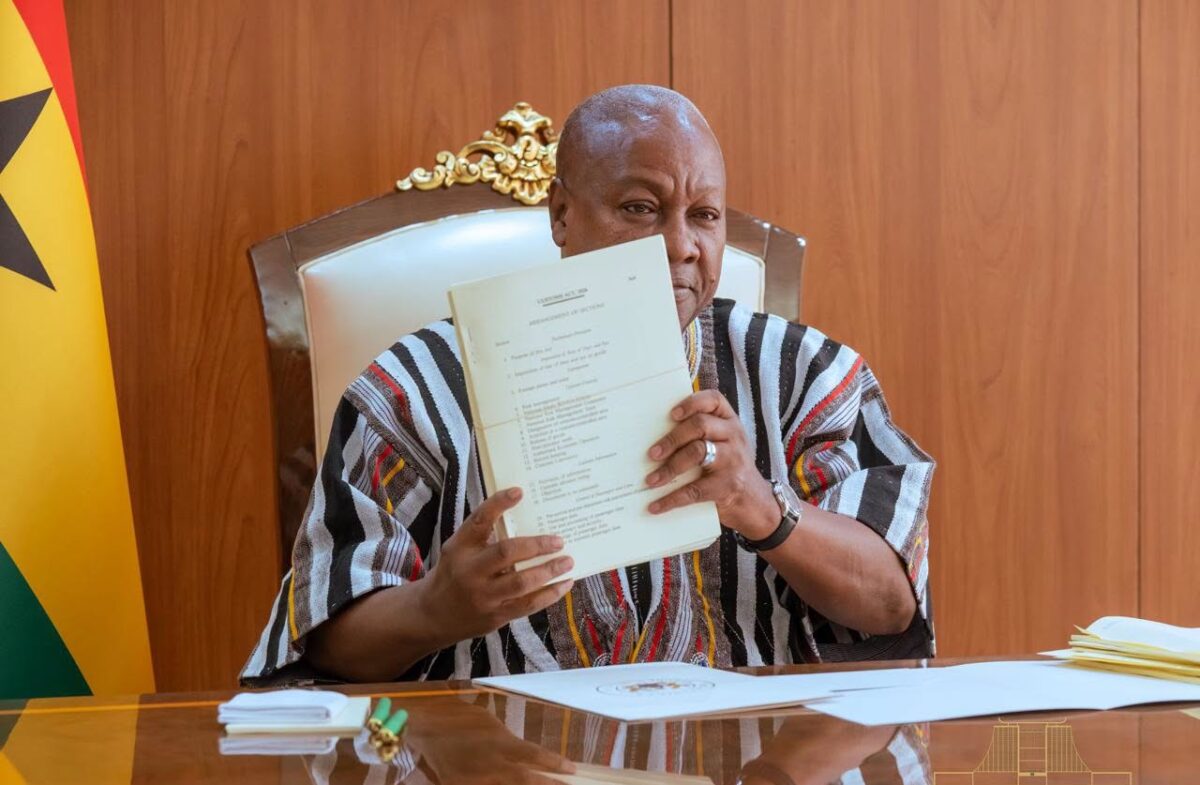
President John Dramani Mahama has assented to 10 Bills passed by Parliament, formally bringing them into law and introducing changes across taxation, customs administration, justice, national defence, energy and the cocoa sector.
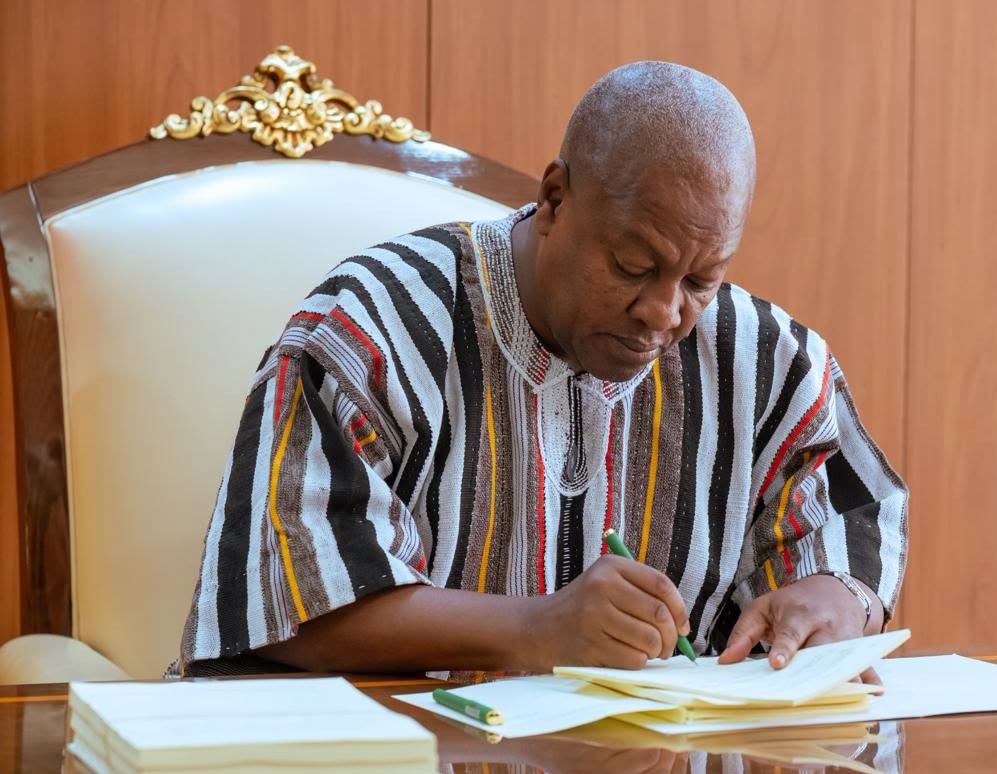
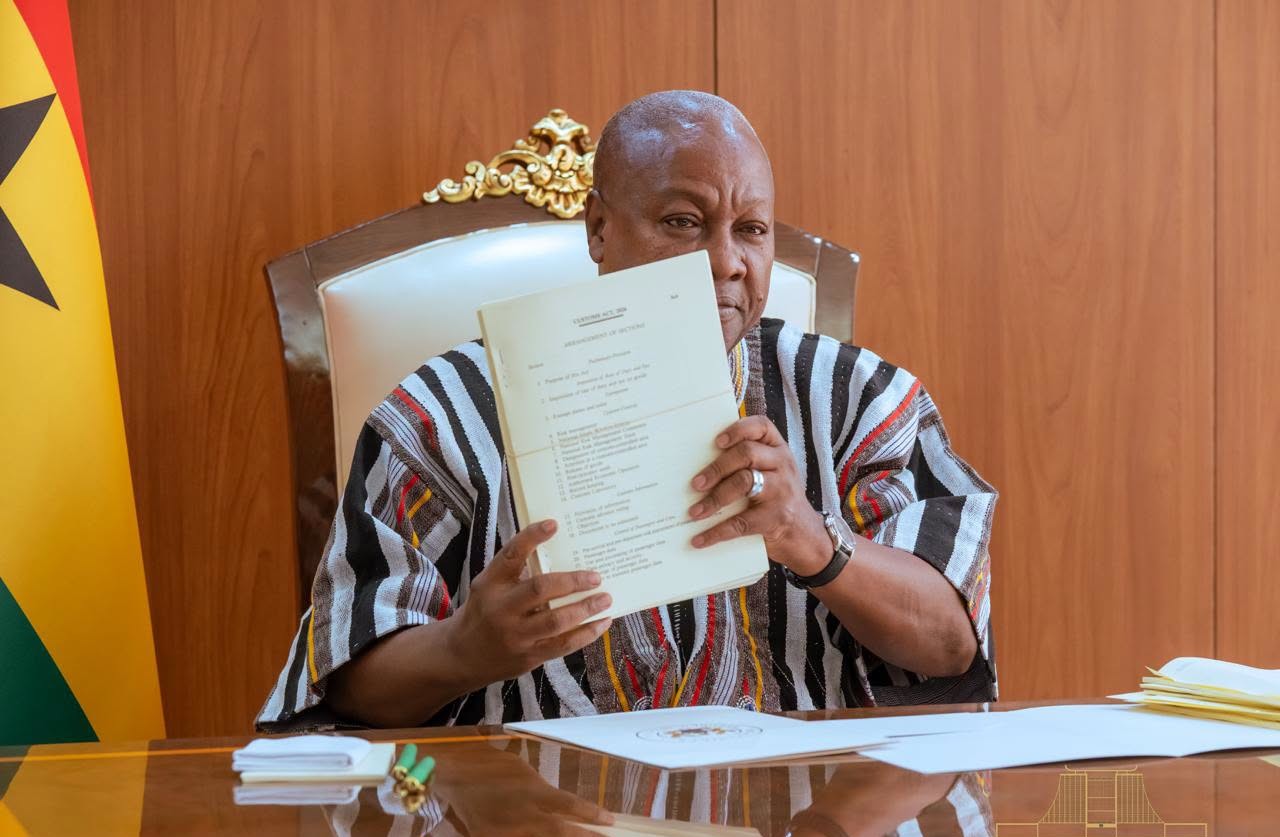
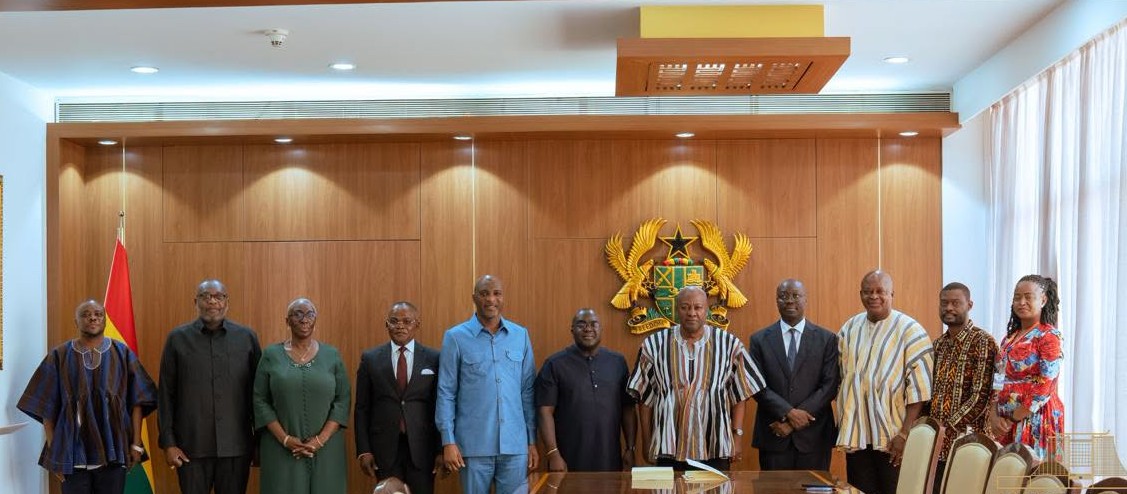
The President signed the Bills on Wednesday, August 26, 2026, at the Jubilee House. The legislation forms part of the government’s broader programme of institutional and economic reforms.

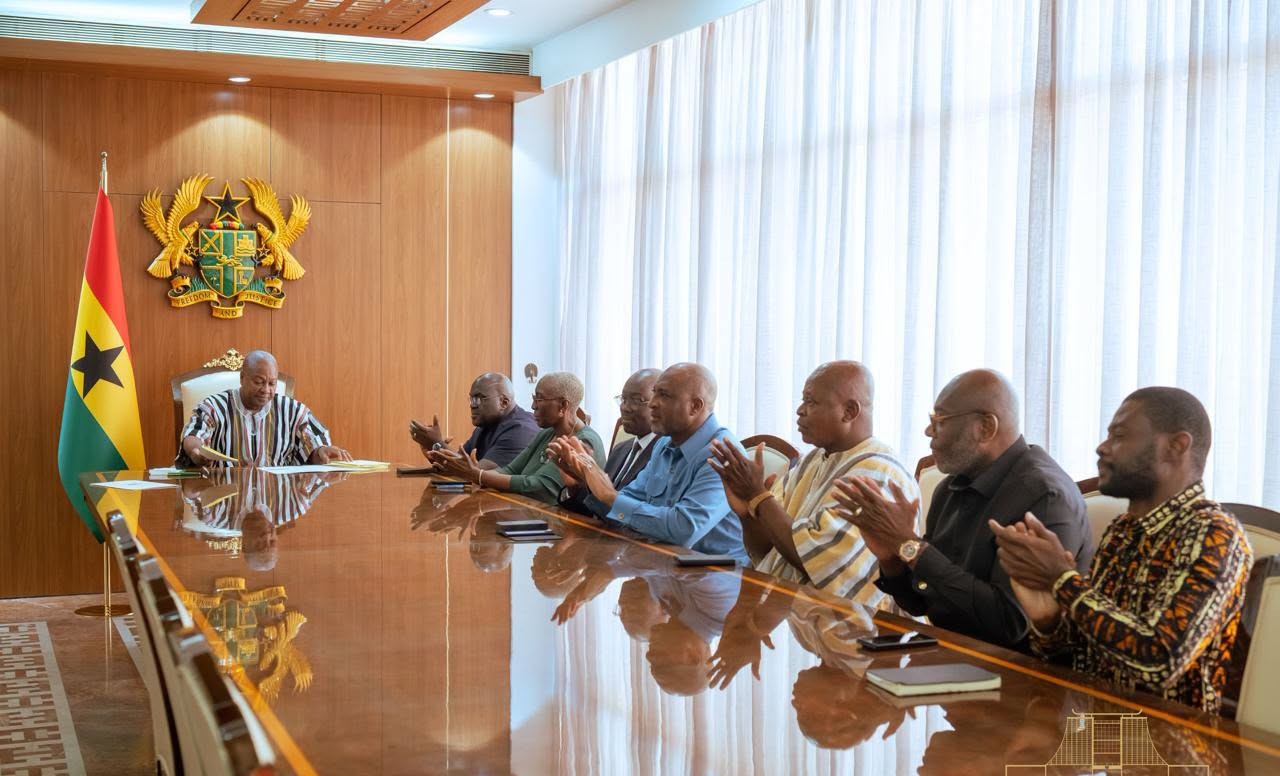
The 10 Bills signed into law
The legislation assented to by President Mahama are:
- Customs Bill, 2026
- Community Service Bill, 2026
- Tribunals Bill, 2026
- Maritime and Related Offences Bill, 2026
- National Defence University, Ghana Bill, 2026
- Income Tax (Amendment) Bill, 2026
- Energy Sector Levies (Amendment) Bill, 2026
- Ghana Cocoa Board Bill, 2026
- Value Added Tax (Amendment) Bill, 2026
- Excise Bill, 2026
What the New Laws Mean
Customs Bill
The Customs Act, 2026 consolidates Ghana’s previous customs legislation into a single framework.
President Mahama said the move is intended to simplify customs administration, improve efficiency and close loopholes that have contributed to revenue losses.
Community Service Act
The Community Service Act, 2026 introduces non-custodial sentences for certain misdemeanours and minor offences.
Under the new framework, eligible offenders can serve their sentences through community service instead of imprisonment.
Tribunals Act
The Tribunals Act, 2026 provides a legal framework for the establishment and operation of regional tribunals.
The measure is intended to support the administration of justice and help address the backlog of cases in Ghana’s courts.
Maritime and Related Offences Act
The new Maritime and Related Offences Act provides domestic legislation for offences committed within Ghana’s maritime space and gives effect to relevant obligations under the United Nations Convention on the Law of the Sea.
National Defence University Act
The National Defence University Act, 2026 gives the National Defence University a formal legal and statutory foundation.
The institution is expected to provide advanced education and training in defence and security-related fields.
Changes to taxation
Three of the newly enacted laws have direct implications for Ghana’s tax system.
Income Tax Amendment
Under the Income Tax Amendment Act, 2026, people earning the national minimum wage or below will be exempt from paying income tax.
Energy Sector Levies Amendment
The Energy Sector Levies Amendment Act addresses the taxation of fuel oil used by factories and maritime vessels.
The government says the amendment is intended to close a loophole under which some users previously benefited from exemptions without providing sufficient evidence of reinvestment.
VAT Amendment
The Value Added Tax Amendment Act, 2026 introduces VAT-related changes connected to the government’s gold-for-reserves arrangement involving large-scale mining companies.
President Mahama said the legislation provides an exemption from VAT on gold surrendered by participating mining companies to the Bank of Ghana under the arrangement.
New legal framework for Ghana’s cocoa sector
The Ghana Cocoa Board Act, 2026 introduces reforms to the legal framework governing COCOBOD and the cocoa sector.
President Mahama said the new law incorporates the government’s commitment to process at least 50 per cent of Ghana’s cocoa beans locally.
He also said the law provides for cocoa farmers to receive 70 per cent of the world market price for their cocoa.
The new legislation is therefore expected to have significant implications for Ghana’s cocoa industry and farmers.
Excise Act
The Excise Act, 2026 consolidates previous excise legislation into a single legal framework covering products including alcoholic beverages, cigarettes and other excisable goods.
The law also provides an excise duty exemption for locally manufactured fruit juices, with government presenting the measure as an incentive for local production and agro-processing.
A broad legislative package
The 10 laws cover a wide range of areas – from taxation and revenue mobilisation to justice, national security, customs, maritime affairs and cocoa-sector reform.
Their passage through Parliament and subsequent presidential assent completes the legislative process, giving the measures legal force.
The development comes after Parliament passed 12 Bills during its Second Meeting, including the 10 now signed by the President.
For the Mahama administration, the latest enactments represent another significant step in its legislative and economic reform agenda.