
The Bank of Ghana (BoG) has firmly ruled out any plans to restore the banking licence of GN Bank, bringing renewed clarity to long-standing public speculation surrounding the defunct financial institution.

In a statement addressing growing public interest, the central bank reiterated that the decision to revoke GN Bank’s licence was taken in the interest of financial stability, depositor protection and regulatory compliance. According to the BoG, the conditions that led to the bank’s collapse have not changed sufficiently to justify a reversal of that decision.

GN Bank was among several financial institutions whose licences were withdrawn during Ghana’s banking sector clean-up, a reform exercise aimed at strengthening confidence in the financial system. The BoG maintains that the exercise was necessary to address systemic weaknesses, poor corporate governance and persistent breaches of banking regulation
The central bank stressed that licence restoration is not an automatic right but a regulatory process governed by strict legal and prudential requirements. It explained that any institution seeking re-entry into the banking sector must meet fresh capitalisation thresholds, demonstrate sound governance structures and fully comply with supervisory directives — conditions which GN Bank, according to the regulator, has not satisfied.
BoG officials further cautioned the public against misinformation and speculation, particularly claims circulating on social media suggesting an imminent return of GN Bank to full banking operations. The regulator emphasised that such narratives undermine public trust and create unnecessary uncertainty within the financial sector.
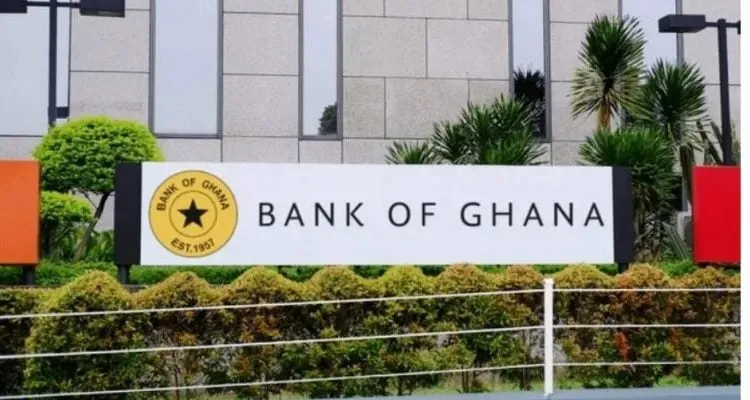
The BoG reaffirmed its commitment to safeguarding depositors and ensuring the long-term resilience of Ghana’s banking industry. It noted that lessons from the sector clean-up continue to inform ongoing regulatory reforms, including enhanced supervision, early-warning mechanisms and stronger enforcement of compliance standards.
While acknowledging the economic and social impact of bank closures, the central bank insisted that regulatory discipline remains non-negotiable. It concluded that the integrity of Ghana’s financial system must take precedence over sentiment, and that only institutions that meet the highest standards of transparency, solvency and accountability will be permitted to operate.
Keep following www.gheducate.com for credible news and updates.