

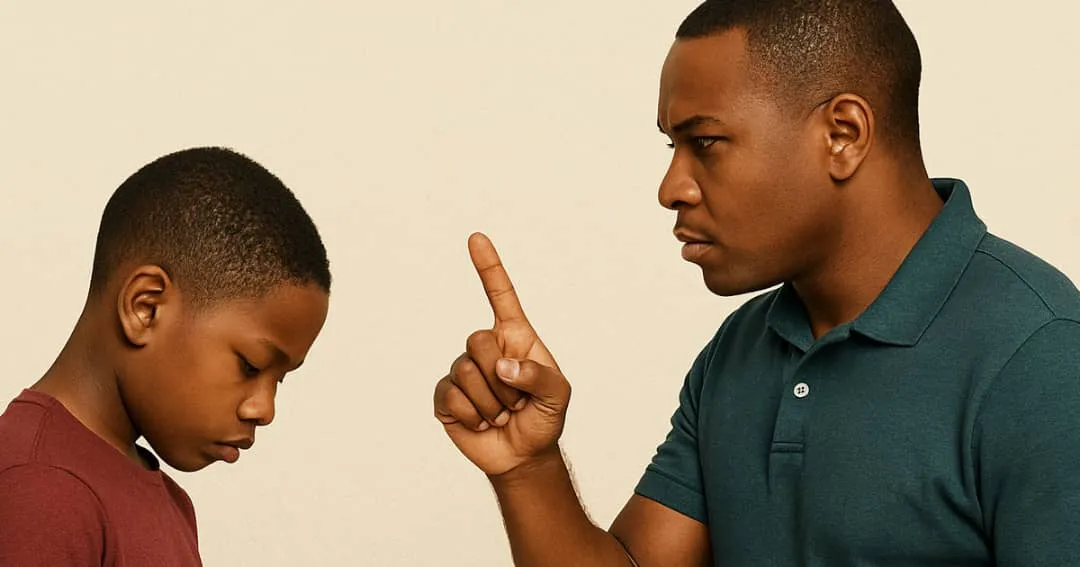
Indiscipline has emerged as one of the most serious threats confronting Ghana’s education system. Schools were once respected as spaces for learning and character formation. Now many schools struggle to enforce basic standards of conduct. Truancy, bullying, examination malpractice, substance abuse, and open defiance of authority are increasingly common. These are no longer isolated occurrences but signs of a deeper moral and institutional crisis threatening the very purpose of education.
The seriousness of the problem has been exposed by recent incidents across the country. A teacher at Kade Senior High Technical School was attacked and assaulted by some students for enforcing discipline. At St. Louis Senior High School, two students were found hiding in the trunk of a car in an attempt to break bounds, risking their lives to evade school rules. During the 2025 WASSCE, students of Konongo Wesley Senior High School reportedly threw stones and sachet water at teachers and invigilators for insisting on strict examination conduct, forcing security personnel to intervene. These events represent a troubling collapse of respect for authority.
Historically, discipline formed the moral backbone of Ghanaian education. Schools were trusted spaces where respect, responsibility, and self-control were deliberately nurtured alongside academic achievement. Today, however, that foundation is weakening. When students openly challenge authority and disrupt national examinations, classrooms become unsafe and learning loses its meaning.
For many years, corporal punishment served as the main response to indiscipline. While it often ensured obedience, it relied heavily on fear. The Ghana Education Service’s decision to restrict physical punishment was therefore justified and necessary. Yet the transition was poorly managed. Removing corporal punishment without providing clear, practical, and enforceable alternatives left schools ill-prepared to manage behaviour effectively.
As a result, discipline in many schools has become inconsistent and uncertain. Teachers feel constrained and unprotected, students misinterpret policy gaps as freedom from consequences, and administrators hesitate to act decisively. In such an environment, indiscipline flourishes, rules lose credibility, and authority steadily erodes.
Institutional and parental failures have worsened the situation. Guidance and counselling units, the backbone of non-violent discipline remain under-resourced or absent in many schools. Teachers lack training and professional support to manage complex behavioural challenges. At the same time, some parents undermine disciplinary efforts or disengage from their children’s moral upbringing, sending conflicting messages about accountability.
GH EDUCATE maintains that indiscipline in Ghanaian schools is no longer just an educational concern but a national one. Violence against teachers, chaos in examination halls, and dangerous acts to evade school rules point to a system under strain. Restoring order requires empowered teachers, functional counselling systems, firm disciplinary frameworks, and strong parental partnership. Without disciplined classrooms, academic success is hollow, and the nation risks raising future citizens unprepared for responsibility and leadership.
Keep following GH EDUCATE for credible news and updates.




7 thoughts on “Indiscipline in Ghanaian Schools: A Growing Threat to Education and National Values”