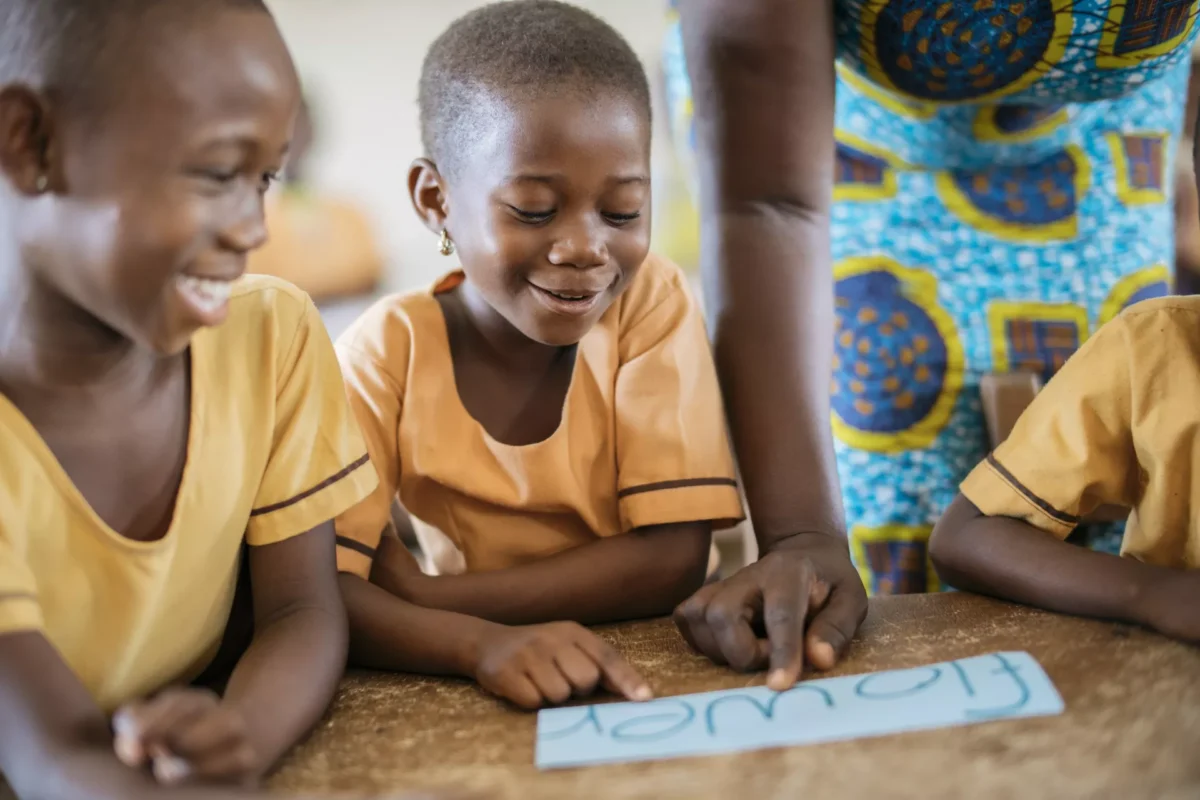
When reading fails, learning does not merely slow down — it collapses. Across classrooms in Ghana, a quiet but dangerous crisis is unfolding: many students can decode words, yet struggle to understand, interpret and express meaning. This weakness in reading comprehension is steadily undermining academic performance, confidence and long-term intellectual growth.
Reading is the gateway to all learning. Whether in Mathematics, Science, Social Studies or Creative Arts, students must first understand written instructions, concepts and questions before they can respond meaningfully. When comprehension is weak, students memorise blindly, guess answers and depend heavily on rote learning. The result is superficial success in examinations and deep failure in real understanding.

The roots of this crisis lie partly in a declining reading culture. For many learners, reading has become an activity reserved only for examinations. Storybooks, newspapers and independent reading have been replaced by screens, short messages and social media content that reward speed rather than depth. Over time, students lose the patience and discipline required to read, reflect and think critically.
Language development also suffers. Students who do not read widely struggle to express themselves clearly in speech and writing. Vocabulary becomes limited, sentence structure weakens, and confidence fades. This affects classroom participation, written assessments and even social interaction. A child who cannot express ideas fluently is often misunderstood as academically weak, when in reality the challenge is rooted in poor literacy.
Teachers face an uphill task. Many are compelled to teach content to learners who lack the basic reading skills required to follow lessons independently. Valuable instructional time is spent interpreting texts that students should be able to understand on their own. While teachers continue to innovate and adapt, no teaching method can fully compensate for a learner who does not read.

In response to this growing challenge, Otumfuo Osei Tutu II, Asantehene, has demonstrated visionary leadership by introducing the Otumfuo Community Reading Challenge (OCRC) to promote reading and literacy among pupils in basic schools. The initiative has rekindled interest in reading, built confidence among learners, and placed literacy at the centre of academic excellence. This bold and practical intervention deserves the full support of the Government, the Ministry of Education, the Ghana Education Service, development partners, parents and all education stakeholders. Sustaining and expanding this initiative could mark a turning point in Ghana’s literacy journey.

Parents and guardians also have a critical role to play. Homes where reading is absent rarely produce strong readers. When children do not see books at home, are not encouraged to read for pleasure, or are left entirely to schools, literacy development becomes fragile. Reading must be nurtured as a daily habit beyond the classroom.
If Ghana seeks to raise a generation of thinkers, innovators and responsible leaders, the reading culture must be restored deliberately and urgently. Literacy initiatives such as the Otumfuo Community Reading Challenge show that progress is possible when leadership, policy and community support align. Because when reading fails, learning collapses automatically. No education system can stand on weak foundations.
Keeping following www.gheducate.com for credible news and updates.